Top Universities

Duke-NUS Medical School
Duke-NUS Medical School is a graduate-entry medical school established through a partnership between Duke University in the United States and the National University of Singapore. Instead of a traditional MBBS, it offers a Doctor of Medicine (MD) program designed for students who already hold a bachelor’s degree. The program emphasizes research, innovation, and translational medicine, training physicians who can bridge scientific discoveries with patient care. Students learn through team-based learning, clinical rotations in major Singapore hospitals, and research projects guided by internationally recognized faculty. Duke-NUS is known for producing physician-scientists who contribute to biomedical breakthroughs, making it one of the most influential medical schools in Singapore and Asia.
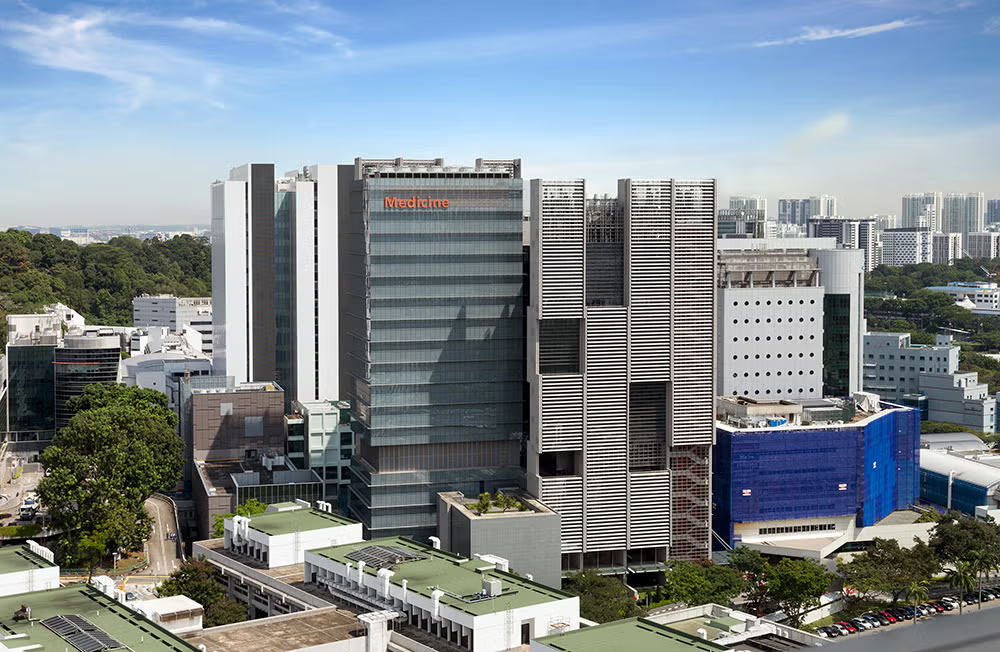
Yong Loo Lin School of Medicine
This is the oldest and one of the most prestigious medical schools in Singapore, established in 1905 as part of the National University of Singapore. The school offers the MBBS (Bachelor of Medicine and Bachelor of Surgery) degree and is internationally recognized for its high academic standards and strong clinical training. Students receive rigorous instruction in biomedical sciences, clinical skills, and research, often working closely with hospitals such as National University Hospital Singapore. The curriculum combines traditional lectures with problem-based learning and early patient exposure, helping students develop strong diagnostic and communication skills. The university also encourages medical research and global collaborations, making it a leading destination for students who want a comprehensive and research-focused medical education in Asia.
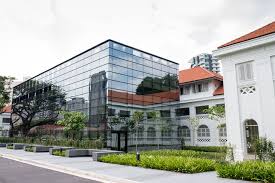
Lee Kong Chian School of Medicine
The Lee Kong Chian School of Medicine is a modern medical school created through collaboration between Nanyang Technological University and Imperial College London. It offers an MBBS program designed using innovative teaching methods, including technology-enhanced learning, simulation-based training, and small group discussions. The school focuses strongly on producing doctors who are not only clinically competent but also compassionate and patient-centered. Clinical training mainly takes place at hospitals within the National Healthcare Group. Because of its collaboration with Imperial College London, the curriculum integrates global medical perspectives and cutting-edge research approaches, making it one of the most modern medical education institutions in Singapore.
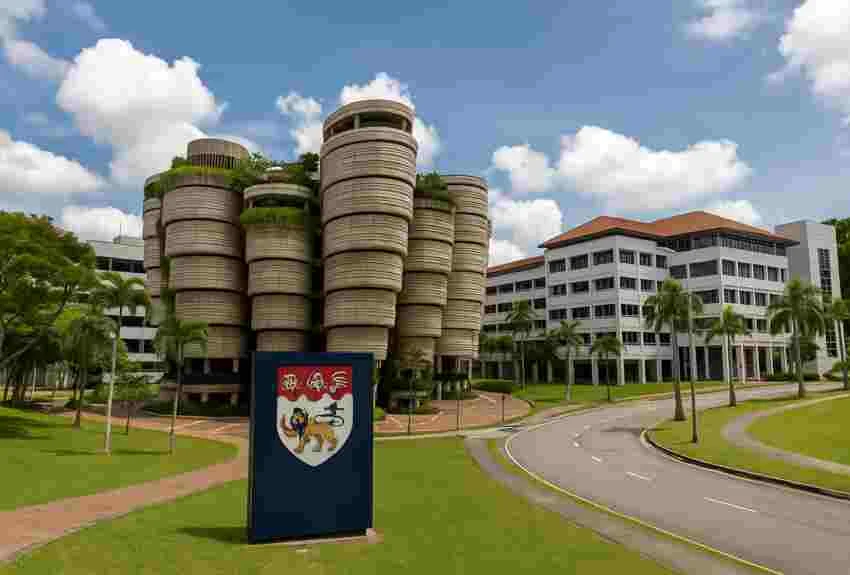
Nanyang Technological University
Although widely known for engineering and technology, Nanyang Technological University plays a major role in medical education through the Lee Kong Chian School of Medicine. NTU contributes strong expertise in biomedical engineering, digital health, and medical technology, which enhances the training of future doctors. The university integrates modern technologies such as medical simulations, AI-assisted diagnostics, and interdisciplinary research in its medical programs. Students benefit from access to advanced laboratories, research institutes, and collaborations with hospitals across Singapore. NTU’s approach helps medical students gain skills that are essential for the future of healthcare, including data-driven medicine and technological innovation..
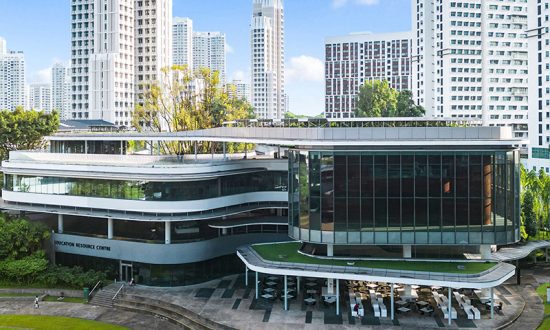
National University of Singapore
The National University of Singapore is the flagship university of Singapore and consistently ranks among the top universities in the world. Through institutions like the National University of Singapore Yong Loo Lin School of Medicine and Duke-NUS Medical School, NUS plays a central role in training doctors and medical researchers. The university provides extensive research opportunities in areas such as infectious diseases, public health, and precision medicine. Medical students often collaborate with scientists, engineers, and public health experts across different NUS faculties, giving them a multidisciplinary perspective on healthcare challenges. Because of its strong academic reputation and research output, NUS attracts students and medical professionals from around the world..
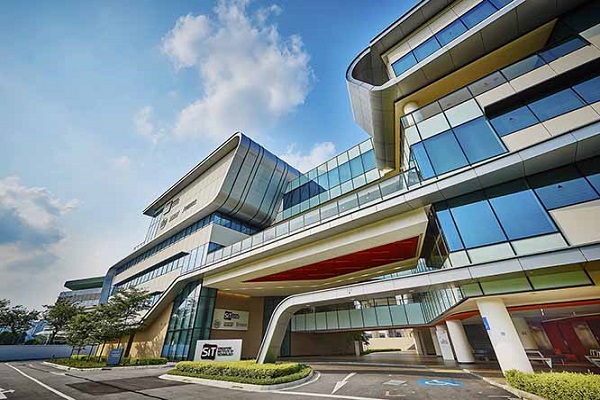
Singapore Institute of Technology
The Singapore Institute of Technology focuses primarily on applied health sciences and allied medical programs, including physiotherapy, occupational therapy, and diagnostic radiography. While it does not offer a traditional MBBS degree, it plays an important role in Singapore’s healthcare education system by training healthcare professionals who work closely with doctors in hospitals and clinics. The institute collaborates with international universities and healthcare organizations to provide practical training and clinical placements. Students receive hands-on experience in modern healthcare facilities, preparing them to contribute effectively to patient care and the overall healthcare system in Singapore.